Home Blog Page 4

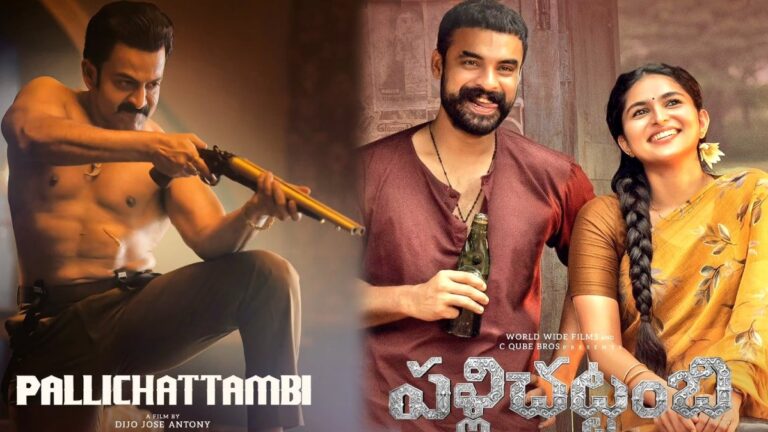
Pallichattambi Movie Review: Tovino Thomas Powers a Gritty Period Action-Drama Amidst Mixed Execution 

Pallichattambi, the latest Malayalam action-drama directed by Dijo Jose Antony, immerses viewers in the turbulent 1950s Kerala during the Vimochana Samaram—the historic Liberation Struggle against the state’s first communist government. Released on April 15, 2026, and starring Tovino Thomas in a riveting lead role, the film blends historical politics, feudal rivalries, and personal redemption into a spectacle-driven narrative that shines in action but stumbles on depth.

Detailed Plot Summary

Set in the fog-shrouded village of Kaniyaar, the story revolves around Krishna Pillai (Tovino Thomas), a Yakshagana performer from Thomapuram known for portraying the demon king Ravana on stage. Recruited by the local church as their “Pallichattambi”—a rowdy protector named Pothan Christopher—he’s tasked with defending church lands from communist land reforms and the iron-fisted landlord Patellar.

As Kerala transitions to democracy under EMS Namboodiripad’s regime, ideological clashes erupt: communists push for reforms against feudal lords, while the church mobilizes to preserve its influence. Pillai’s life intersects with Rebecca (Kayadu Lohar), a fiery communist actress starring in the iconic play Ningalenne Communistakki, leading to a forbidden romance fraught with betrayal and passion.

Complications arise with antagonists like the sadistic cop Ramanna (Shatru), the scheming Nambiar, and Patellar’s brutal enforcers. The plot builds to explosive confrontations, including a standout marine battle and riots echoing the 1959 regime ouster, as Pillai evolves from a carefree artist to a symbol of resistance—culminating in a fantastical finale that pits faith, honor, and vengeance. Clocking 2 hours 30 minutes, it packs historical heft but overloads on subplots.

Cast Performances and Character Arcs

Tovino Thomas dominates as Krishna/Pothan, delivering a career-highlight performance with raw intensity, humor, and vulnerability—transforming from stage performer to battle-hardened warrior. His physicality in fight scenes and emotional range in romance sequences make him the film’s anchor.

Prithviraj Sukumaran’s extended cameo as the villainous Patellar is a game-changer, exuding menacing charisma as the exploitative landlord who embodies systemic oppression. Kayadu Lohar shines sporadically as Rebecca but is let down by a thinly sketched role, awkward dubbing, and underdeveloped chemistry.

The ensemble elevates the material: Vijayaraghavan as the shrewd priest, Sudheer Karamana as a steadfast ally, Baburaj in a pivotal supporting turn, and Shatru as the nightmarish cop—all adding layers to the period’s socio-political chaos.

Technical Brilliance and Flaws

Tijo Tomy’s cinematography masterfully evokes 1950s Kerala’s misty hills and chaotic streets, with sweeping vistas and intimate close-ups amplifying tension. Jakes Bejoy’s pulsating score, especially the mass-elevating BGM, fuels action peaks, while stunt director Sandhosh crafts visceral, large-scale sequences like the boat clash.

Editing by Sreejith Sarang maintains momentum through the first half but falters in the bloated second, recycling tropes and leaning into melodrama. Production design nails the era’s authenticity in costumes, sets, and props, though some VFX in the climax feel dated.

Themes and Historical Context

The film tackles feudalism vs. reform, church-communist divides, and Hindu solidarity in Christian strongholds—themes rooted in Vimochana Samaram’s real events. It humanizes the “rowdy” archetype while critiquing power abuses, but predictable messaging and underdeveloped romance dilute impact.

Critical Reception and Ratings

Reception is polarized: India Today (2/5) praises Tovino’s effort but slams the uneven script and treatment. Times of India (3/5) lauds spectacle and relevance, critiquing clichés. Indian Express (1.5/5) finds it ambitious yet sluggish. Rotten Tomatoes shows modest audience scores, highlighting action thrills over narrative polish. Telugu and regional outlets note its mass appeal for Tovino fans.

AspectStrengthsWeaknesses
Story & ScriptHistorical intrigue, twists Overcrowded subplots, clichés 
Action & VFXInnovative stunts, scale Finale overkill 
Music & VisualsGripping BGM, period look Dubbing issues 
Overall Rating2.5-3/5 Mass entertainer, not masterpiece

Pallichattambi thrives on Tovino Thomas’s magnetic presence and high-octane action rooted in Kerala’s pivotal history, delivering crowd-pleasing moments despite scripting inconsistencies and thematic bloat—ideal for fans of period mass films, but discerning viewers may crave tighter execution.
OnePlus Pad 4 Launch: India Debut on April 30 with Massive Battery and Flagship Power

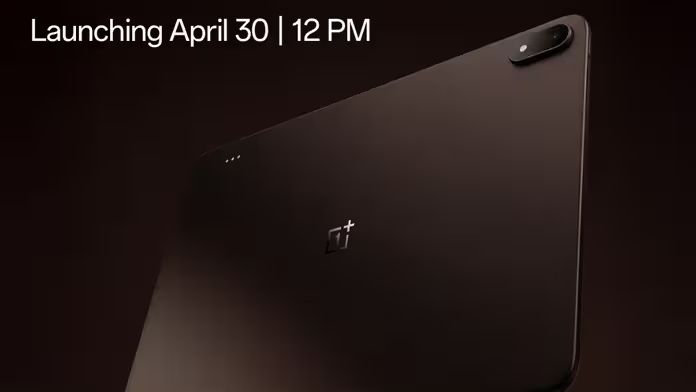
OnePlus has officially announced the OnePlus Pad 4, set to launch in India on April 30, 2026, promising significant upgrades in performance and battery life over its predecessor. The tablet targets premium users with its Snapdragon 8 Elite Gen 5 chipset and a massive battery, positioning it as a strong Android alternative in the high-end tablet segment.

Key Specifications

OnePlus Pad battery 

The OnePlus Pad 4 boasts impressive specs tailored for multitasking, gaming, and media consumption.

  • Display: 13.2-inch 3.4K (3,392 x 2,400 pixels) resolution with 144Hz refresh rate, up to 1,000 nits peak brightness, 540Hz touch sampling, 98% DCI-P3 color gamut, 315 ppi, and Dolby Vision support.
  • Processor: Qualcomm Snapdragon 8 Elite Gen 5 for top-tier performance.
  • Memory and Storage: Up to 12GB LPDDR5X RAM and 512GB storage.
  • Battery: 13,380mAh capacity with 80W SuperVOOC fast charging, claimed as the largest in its class for extended usage.

Design and Features

OnePlus Pad 4 features a sleek metal unibody design available in Dune Glow and Sage Mist colors. It includes a pill-shaped rear camera module with a single camera and LED flash, plus three pogo pins for accessory compatibility like keyboards. Eight hi-fidelity speakers enhance the audio experience.

The device has been teased on Amazon and Flipkart microsites, building anticipation ahead of the April 30 event at 7 PM IST.

Pricing and Availability

While exact pricing remains unconfirmed, expect it to start around the premium range similar to previous models, with sales likely on OnePlus India, Amazon, and Flipkart. This launch follows the OnePlus Pad 3 from last year, focusing on battery and chipset improvements.

The OnePlus Pad 4 stands out with its superior battery endurance and flagship Snapdragon chip, making it ideal for power users in India seeking a high-performance tablet under Android’s OxygenOS ecosystem. Stay tuned for full details post-launch on April 30.

Toaster Movie Review: Rajkummar Rao’s Darkly Hilarious Toaster Obsession Sparks Chaos

Toaster is a 2026 Hindi black comedy thriller on Netflix, directed by Vivek Daschaudary, starring Rajkummar Rao as the miserly Ramakant and Sanya Malhotra as his pragmatic wife Shilpa. Produced by KAMPA Films with Patralekha’s debut as producer, the film transforms a petty gift retrieval into a whirlwind of murders, blackmail, and absurd escalating mayhem.

Detailed Plot Breakdown

The narrative kicks off with Ramakant, a kanjoos (stingy) shopkeeper obsessed with true-crime stories, reluctantly parting with ₹5,000-₹6,000 for a shiny toaster as a wedding gift, forced by his black-belt-holding wife Shilpa. The wedding crumbles the next day, igniting Ramakant’s single-minded quest to reclaim it for a refund—his idea of torture averted.

Chaos multiplies when the toaster lands in an orphanage run by the sharp-tongued Nandini (Farah Khan), who won’t return it. Unbeknownst to Ramakant, a mix-up hides a memory card inside with a sex tape: neighbor Glen (Abhishek Banerjee) blackmails politician Amol Amre (Jitendra Joshi) caught in a compromising act with foreign women. Ramakant’s meddling draws him into this web, sparking murders, police chases, and overlapping schemes involving quirky locals like landlady D’Souza Aunty (Seema Pahwa) and Mala Aunty (Archana Puran Singh).

From hiding the appliance amid a landlady’s suspicious death to blindfolded escapades, orphanage heists, and drug-fueled tangents, the toaster becomes the absurd linchpin tying cops, addicts, and opportunists in a snowballing shitstorm. Twists pile on—petty greed morphs into life-or-death stakes, with Ramakant’s whining persistence fueling the frenzy.

Standout Performances

Rajkummar Rao dominates as Ramakant, masterfully blending jittery desperation, childish protests, and quiet menace—his beggar-like pleading, orphan-thieving antics, and foolhardy bravado anchor the film’s tone, elevating a flawed script through sheer nuance.

Sanya Malhotra’s Shilpa offers spunky contrast: sensible yet sidelined, her true-crime passion and physical prowess shine in bursts, though chemistry with Rao fizzles amid the chaos. Abhishek Banerjee’s sleazy Glen and Jitendra Joshi’s playful politician add greasy fun; Seema Pahwa and Archana Puran Singh dial up cringe with over-the-top neighborhood meddling—Pahwa’s D’Souza brings sharp wit, while Puran Singh’s aggressive advances test “quirky” boundaries.

Farah Khan’s orphanage boss Nandini spits fire in cameos, refusing refunds with gleeful meanness. The ensemble’s wild energy props Rao, but uneven roles leave some (like Malhotra) undercooked.

Technical Craft and Style

Vivek Daschaudary’s direction maintains taut control in a lean runtime, letting character-driven absurdity breathe without gloss—raw, unglamorous visuals emphasize escalating mess over polish. Writers Parveez Shaikh, Akshat Ghildial, and Anagh Mukherjee stretch the premise masterfully, balancing humor with menace until melodrama creeps in.

Sharp editing sustains momentum, though some sequences drag into cringeworthy repetition (e.g., Rao-Puran Singh clashes). Sound design amplifies tension via toaster “pops” and chaotic chases; the quirky score underscores dark laughs without overpowering.

Strengths

  • Absurd Premise Mastery: A ₹5,000 toaster ignites hilarious, sinister escalation—petty obsession births tangled blackmail/murder chains, consistently engaging.
  • Rao’s Brilliance: His miserly tics and escalating folly carry the film, making the unbelievable believable.
  • Tight Pacing: Rarely bores; builds stakes organically, blending comedy, thriller, and satire.
  • Ensemble Quirks: Supporting oddballs like Banerjee and Pahwa inject flavor, turning society into a madhouse.

Weaknesses

  • Screenplay Slips: Mid-plot piles too many characters, turning coherent chaos messy; gender-reversed “humor” (e.g., 60-year-old advances) feels off.
  • Underused Leads: Malhotra’s potential fizzles; chemistry lacks spark.
  • Weak Finish: Climax veers melodramatic, blunting sharp edge—could end unsettle-ingly.
  • Tone Wobbles: Starts crisp, overcooks into slop; tests patience with forced quirks.
AspectStrengthsWeaknessesRating
Story & WritingAbsurd escalation, smart twistsMessy overload, weak end3.5/5 
PerformancesRao shines, fun cameosUneven chemistry, sidelined Malhotra4/5 
Direction & TechTaut control, raw styleDrags in repetition3/5 
Overall EntertainmentQuirky, engaging chaosOvercooked quirks3/5 

Final Verdict

Toaster serves a crisp, twisted dark comedy treat led by Rajkummar Rao’s obsessive miser, snowballing absurdity into mayhem—but it burns out with a soggy, melodramatic close and uneven execution. Quirky one-time binge for Rao fans and black comedy lovers; skips the butter on deeper resonance. Overall Rating: 3/5—entertaining chaos that pops but doesn’t fully toast.

Porsche 911 GT3 S/C Launch: Porsche Brings the GT3 Thrill Under an Open Sky

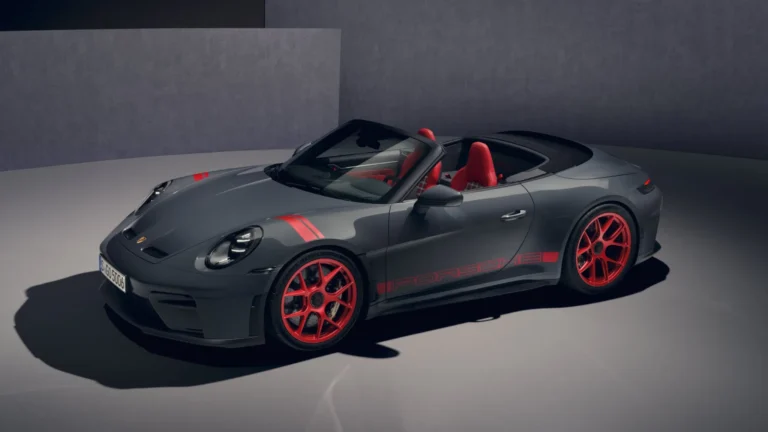
Porsche has officially launched the 911 GT3 S/C, a brand‑new open‑top variant that brings the full GT3 experience into convertible form for the very first time. Unlike previous soft‑top 911s, the GT3 S/C is built on the hardcore GT3 platform, keeping the high‑revving naturally aspirated flat‑six, track‑focused chassis, and manual‑only transmission front and centre.


Design That Screams “Track‑Bred Convertible”

Exterior styling retains the aggressive wide‑body GT3 look, complete with:

  • Large rear wing and functional aerodynamics.
  • Wide rear haunches and a muscular front end.

The big change is the fully automatic soft‑top that folds away into the rear deck, giving you a true open‑sky experience without the compromises of a fixed‑roof coupe. Porsche keeps weight in check with a lightweight structure inspired by the 911 S/T, including CFRP bonnet, fenders, and doors, plus magnesium‑based roof components and centre‑lock wheels.


Powertrain: 4.0‑Litre Flat‑Six, 510 PS, Manual Gearbox Only

Under the rear lid sits the now‑legendary 4.0‑litre naturally aspirated flat‑six engine, tuned to deliver around 375 kW (510 PS / 502 hp) and roughly 450 Nm (331 lb‑ft) of torque, revving freely to 9,000 rpm. No PDK here—the GT3 S/C is strictly paired with a short‑ratio six‑speed GT Sport manual, catering to enthusiasts who still want heel‑and‑toe action and a proper mechanical connection.

Performance numbers are impressive:

  • 0–100 km/h in about 3.9 seconds.
  • Top speed of around 313 km/h (194 mph), even with the open‑top configuration.

To bring all that performance under control, Porsche fits the Porsche Ceramic Composite Brake (PCCB) system as standard, which reduces unsprung mass and improves high‑speed braking.


Chassis, Handling & Track‑Ready Setup

The GT3 S/C inherits the GT3’s track‑oriented chassis but optimises it for the open‑top format:

  • Double‑wishbone front axle (a first for an open‑top 911) improves turn‑in sharpness and steering feel.
  • Lighter magnesium wheels and weight‑saving measures help keep the car agile despite the added roof hardware.

Porsche also strips out rear seats and unnecessary interior trim, turning the S/C into a pure two‑seater that prioritises driving dynamics over practicality.


Interior: Purist Cockpit with a Touch of Luxury

Inside, the cabin is focused on the driver:

  • Sports Seats Plus as standard, with carbon‑fibre bucket seats available for even more track‑focused support.
  • digital instrument cluster with Track Screen mode that shows lap‑time and performance data.

Designer details like carbon‑fibre door pulls, lightweight carpets, and a clean, minimal layout keep the weight down while still feeling premium. The optional Street Style Package adds bold graphics, side badging, and interior accents for those who want their S/C to make a visual statement on the road.


Pricing and Position in the Lineup

In Europe, the 911 GT3 S/C is expected to start around €269,000, placing it above the standard GT3 coupe but below ultra‑limited GT3 RS or track‑only variants in terms of exclusivity. It’s designed as a “everyday‑usable track‑car‑that‑can‑go‑top‑down”, giving buyers the best of both worlds: a GT‑grade engine and chassis with the emotional appeal of an open‑top Porsche.


Why the GT3 S/C Is Important for Porsche Fans

The 911 GT3 S/C is a milestone because:

  • It’s the first fully convertible‑roof GT3, expanding the family beyond coupes.
  • It keeps the manual transmission and naturally aspirated engine alive in an era of hybrids and dual‑clutch gearboxes.
  • It shows Porsche can still make a lightweight, open‑top sports car that feels as close to a race‑car‑like driving experience as possible.

Final Takeaway for Your Readers

For your alternate site, you can position this piece as:

“The Porsche 911 GT3 S/C is the ultimate open‑top GT3, combining the raw 4.0‑litre flat‑six, manual gearbox, and track‑ready chassis with a fully automatic soft‑top roof. It’s built for enthusiasts who want the thrill of a GT3 under the open sky, blending high‑performance driving with the emotional drama of open‑air motoring.”

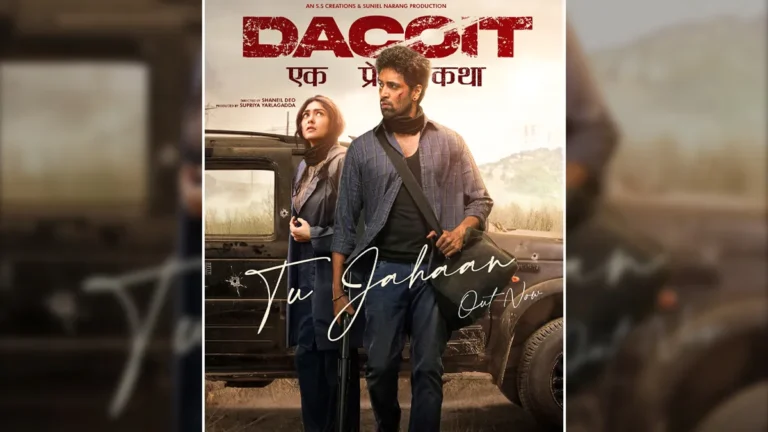
Dacoit Box Office Collection: Adivi Sesh & Mrunal Thakur’s Action-Romance Crosses ₹34.77 Crore Worldwide in Opening Weekend – Detailed Day-Wise Breakdown & Expert Analysis (Updated April 13, 2026)

Mumbai: Adivi Sesh and Mrunal Thakur’s bilingual film Dacoit: A Love Story, directed by debutant Shaneil Deo and produced by Annapurna Studios, has posted a respectable yet below-expectation opening weekend at the Indian box office. The film, made on an estimated budget of ₹65 crore (including prints and publicity), collected a total of ₹34.77 crore gross worldwide in its first three days (April 10–12, 2026).

This figure is based on transparent, real-time tracking by Sacnilk and cross-verified trade estimates. The movie opened simultaneously in Telugu and Hindi, with Telugu circuits driving the majority of business while Hindi-speaking markets showed a lukewarm response.

Verified Day-Wise India Net Collections (Sacnilk & Koimoi – as of April 13 morning)

  • Day 1 (Friday, April 10): ₹6.50 crore net
  • Day 2 (Saturday, April 11): ₹7.30 crore net (healthy 12% growth on Saturday)
  • Day 3 (Sunday, April 12): ₹6.00 crore net

Total India Net (3 days): ₹19.80 crore India Gross: ≈ ₹23.12 crore Overseas Gross: ₹11.65 crore (strongest from USA, Canada, and Australia) Worldwide Gross: ₹34.77 crore

The film registered 41% overall occupancy in Telugu shows on Day 1 but dropped to just 12–15% in Hindi circuits. Strongholds remained Andhra Pradesh, Telangana, and Karnataka, while North India and Maharashtra delivered average numbers. Positive word-of-mouth for the film’s action sequences, emotional core, and Adivi Sesh’s intense performance helped Saturday collections stay steady despite mixed-to-positive critic reviews (average 6.8/10 on aggregators).

Expert Verdict & Box Office Outlook

Industry analyst Taran Adarsh and multiple trade experts have noted that Dacoit opened as the 4th highest Telugu opener of 2026 so far, beating Adivi Sesh’s previous solo outing. However, with a ₹65 crore budget, the film has recovered only around 30–35% of its cost in the opening weekend. Weekday collections will be critical — a drop below ₹2 crore on Monday could push the film toward a “below-average” verdict unless strong WOM drives a second-week surge.

Overseas, the film has already crossed the $1.4 million mark (≈ ₹11.65 crore), confirming decent NRI interest in the romantic-action drama.

Legendary Playback Singer Asha Bhosle Passes Away at 92, Leaving an Unfillable Void in Indian Music

Mumbai, April 12, 2026: In a heartbreaking loss to the world of music, veteran playback singer Asha Bhosle, one of India’s most celebrated voices, breathed her last today at the age of 92. The melody queen, renowned for her unparalleled versatility and a staggering discography of over 12,000 songs, succumbed to multi-organ failure at Breach Candy Hospital in Mumbai. Admitted on April 11 following complaints of exhaustion and a chest infection, her condition rapidly deteriorated due to cardiac arrest, marking the end of an era that spanned eight decades.

Asha Bhosle’s journey in the industry began in the 1940s, but it was the 1950s and 1960s that catapulted her to stardom. Often overshadowed initially by her elder sister, the legendary Lata Mangeshkar, Asha carved her niche with bold, playful, and sensuous numbers that defined Bollywood’s golden age. Her voice brought to life iconic characters, from Madhubala’s seductive charm in “Aaiye Meherbaan” from Game of Hearts to the fiery energy of Helen in cabaret classics like “Piya Tu Ab To Aaja.” She effortlessly transitioned across genres—ghazals, bhajans, pop, and even Marathi folk—lending her magic to over 20 Indian languages.

What set Asha Bhosle apart was her chameleon-like adaptability. While Lata’s timbre was ethereal and classical, Ashaji’s was earthy, teasing, and full of life. Hits like “Dum Maro Dum” from Hare Rama Hare Krishna, “Chura Liya Hai Tumne Jo Dil Ko” with Mohammed Rafi, and “Yeh Reshmi Zulfen” remain timeless. Her collaborations with SD Burman, RD Burman (whom she married in 1980), Laxmikant-Pyarelal, and Kalyanji-Anandji produced chartbusters that generations still hum. Beyond Bollywood, she forayed into Konkani, Bengali, and international tracks, even collaborating with Kronos Quartet for her Grammy-nominated album You’ve Stolen My Heart. Awards poured in—Dadasaheb Phalke, Padma Vibhushan, and a record five Filmfare Best Female Playback trophies—cementing her as the most recorded artist in music history per Guinness World Records.

Her personal life was no less dramatic. Born on September 8, 1933, in Sangli, Maharashtra, she eloped at 16 with Ganpatrao Bhosle, facing family estrangement. Post-divorce, she raised her three children alone while scaling professional heights. Her son Hemant perished in a 2015 fire accident, yet she soldiered on, performing live into her 90s. Granddaughter Zanai Bhosle, a classical singer, had updated fans on her hospitalization via social media just hours before the news broke.

Tributes flooded in from across the spectrum. Prime Minister Narendra Modi called her “one of the most iconic voices ever known,” stating her melodies will echo eternally. Maharashtra Cultural Affairs Minister Ashish Shelar mourned the “irreplaceable gem,” while celebrities like Amitabh Bachchan, Rekha, and Shankar Mahadevan shared condolences. Filmmaker Madhur Bhandarkar termed it “the world’s loss of an era.” Fans gathered outside her Peddar Road home, playing her classics in remembrance.

Funeral arrangements are set for today: public viewing at her residence from 11 AM to 3 PM, followed by last rites at 4 PM at Shivaji Park crematorium. Her son Anand confirmed the details, requesting privacy. As India bids adieu to Asha Bhosle, her legacy—etched in melodies that captured love, longing, and joy—ensures her voice will never fade. From “Mera Saaya” to “Pudhcha Paul Ga” in Marathi, she was the heartbeat of Indian cinema. Rest in peace, Ashaji.

Oppo Find X9 Ultra Specs Leak: The Camera Beast That’s Actually Worth the Hype?

Hey everyone, if you’re into phones that feel like they were made for serious photography (without needing to carry a separate DSLR), the Oppo Find X9 Ultra has been one of the most exciting rumors I’ve been tracking this year. With the official launch confirmed for April 21, a flood of consistent leaks from reliable sources has basically given us the full picture. And let me tell you— this thing looks like Oppo went all-in on making the “ultimate camera phone” for 2026.

I’ve cross-checked these details across multiple reports, and they line up almost perfectly. Of course, nothing’s 100% official until Oppo hits the stage, but the pattern from tipsters like Digital Chat Station, plus hands-on leaks and benchmark listings, makes this feel rock-solid. Let’s break it down like I would if I were unboxing one myself.

That Bold, Retro-Inspired Design

Oppo didn’t play it safe here. The Find X9 Ultra has a massive circular camera island that screams “professional camera gear,” complete with the prominent Hasselblad “H” branding. It’s got a premium aluminum frame paired with that grippy eco-leather (silicone polymer) back on most variants—think soft-touch but durable, with some two-tone color options popping up in the leaks.

We’re talking about a phone that’s roughly 235g and around 8.7mm thick, with IP68/IP69 dust and water resistance expected. Early real-world shots show it feels substantial in the hand, not flimsy. Colors include classy options like black, white, and some bolder dual-tone finishes. It’s the kind of design that turns heads without being gimmicky—more like a tool than a fashion accessory.

The Screen: Bright, Smooth, and Ready for Anything

No compromises on the display. It’s a 6.82-inch LTPO AMOLED (ProXDR) with a sharp 1440 x 3120 resolution, hitting up to 144Hz refresh rate and a claimed 3,600 nits peak brightness. That means outdoor visibility should be excellent, whether you’re reviewing shots in sunlight or watching HDR content.

It supports Dolby Vision, HDR10+, and advanced dimming (2160Hz PWM) for eye comfort during long sessions. Protected by Oppo’s NanoCrystal Glass, it’s built to last. In short: one of the best panels you’ll find on any Android flagship this year.

Performance That Won’t Hold You Back

Under the hood? Qualcomm’s latest Snapdragon 8 Elite Gen 5 on a 3nm process, paired with up to 16GB of LPDDR5X RAM and fast UFS 4.1 storage (starting at 512GB, with 1TB options likely). It runs Android 16 with ColorOS 16 right out of the box.

Oppo’s own Trinity Engine optimizations should make multitasking, gaming, and AI features feel buttery smooth. From the Geekbench leaks we’ve seen, it’s right up there with the top performers of 2026—no surprises, but exactly what a premium “Ultra” model should deliver.

The Real Star: Hasselblad Quad Camera Setup

This is where the Find X9 Ultra separates itself. Oppo and Hasselblad have cooked up a quad system that’s all about versatility and quality:

  • 200MP main sensor (Sony LYT-901, big 1/1.12″ size) – Insane detail and low-light chops.
  • 50MP ultrawide – Wide scenes without distortion issues.
  • 200MP 3x periscope telephoto (OmniVision OV52A) – This is the mid-range zoom hero.
  • 50MP 10x periscope telephoto (Samsung JN5) – True optical 10x zoom, with a five-prism design that keeps things sharp even at crazy distances (and up to 120x digital).

Add in a multispectral sensor for accurate colors, Real-Time Triple Exposure, and Hasselblad’s tuning, and you’ve got a setup that’s designed to rival dedicated cameras. Leaks suggest it’s faster and more capable in key areas than even some rivals like the Vivo X300 Ultra. A 50MP front camera rounds it out for solid selfies and video calls. If photography is your thing, this could be the one to beat.

Battery Life That Actually Lasts

No skimping here either: a massive 7,050mAh cell (one of the biggest in the flagship class) with 100W SuperVOOC wired charging and 50W wireless. Expect all-day (or multi-day) use even if you’re shooting 4K video or gaming at high refresh rates. Real-world tests will confirm it, but on paper, this is endurance done right.

Other Bits That Matter

  • Stereo speakers with spatial audio.
  • In-display fingerprint scanner.
  • Global variant already showing up in benchmarks, so availability shouldn’t be an issue.

Pricing? Expect flagship territory—likely starting around the ₹90,000–1,10,000 mark in markets like India, based on past Oppo trends.

My Take: Is It the 2026 Camera King?

From everything that’s leaked so far, the Oppo Find X9 Ultra isn’t just checking boxes—it’s pushing boundaries on the camera side while delivering no-weakness everything else. The dual 200MP telephotos with native optical zoom? That’s the kind of hardware that could make point-and-shoot photography feel pro-level again.

That said, we’ll know for sure once the full reviews drop post-launch. If it lives up to the hype (and early hands-on videos suggest it does), this could easily be one of the best all-rounders of the year, especially for creators and photographers.

What do you think—camera-focused flagship or just another spec monster? Drop your thoughts below. Official reveal is April 21, so stay tuned!

Chandrayaan-2 Data Shows Moon’s Ancient Water Ice Is Far More Stable Than Scientists Thought

A major new international study has found that water ice locked inside the Moon’s permanently shadowed craters has remained remarkably stable for billions of years — good news for future human missions planning to use it as a resource.

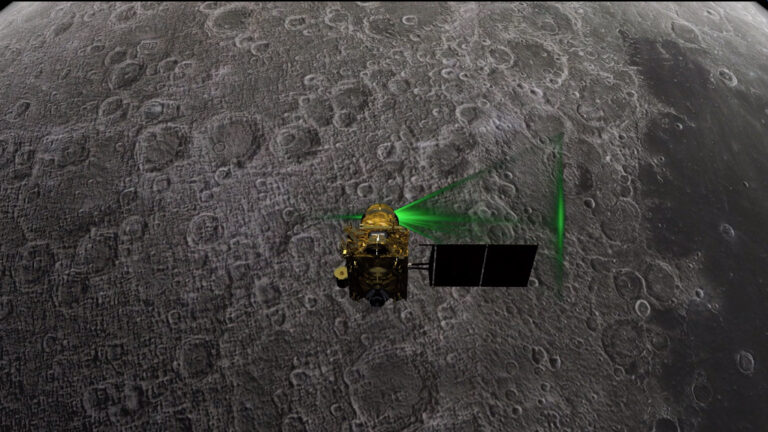
Published today in the journal Nature, the research was led by scientists from India’s Physical Research Laboratory (PRL) and the Indian Institute of Science Education and Research (IISER). The team used high-resolution data from India’s Chandrayaan-2 orbiter to study the Moon’s south polar region, where deep craters never see sunlight and temperatures drop below –160°C.

These extreme conditions act like a natural deep freezer, allowing water ice to build up and survive for billions of years without evaporating. That makes the permanently shadowed regions (PSRs) — especially between 85° and 90° south latitude — prime targets for NASA’s Artemis programme and upcoming Indian Space Research Organisation (ISRO) lunar missions.

Earlier models suggested that constant small meteorite impacts would constantly churn the surface, exposing and destroying the ice through a process called sublimation. To test this, the researchers mapped millions of tiny craters (just 1 to 20 metres across) using detailed orbital images and advanced impact simulations.

What they discovered was surprising: nearly 74% of the permanently shadowed areas have been left largely untouched by these small impacts. While micrometeorites do disturb the top layer in some spots, the effect is very local and doesn’t threaten the large, deeper ice deposits.

“This suggests that lunar water ice is more resilient than we expected,” the researchers explain. In fact, the impacts may even help future explorers by exposing buried ice layers that would otherwise stay hidden.

The study also highlights another helpful natural process called “gardening” — the slow mixing of lunar soil over time. In areas without recent craters, this gentle churning can bring ice closer to the surface, making it easier to access without heavy digging.

For astronauts, this stable ice is a game-changer. It could supply drinking water, breathable oxygen, and even hydrogen for rocket fuel — all produced on the Moon instead of being carried from Earth. That’s a critical step toward building a sustainable lunar base and supporting longer deep-space missions.

The research stands out for its strong international collaboration. Scientists combined Chandrayaan-2’s precise data with information from other lunar missions and cutting-edge modelling techniques. For India, the findings reinforce the scientific value of its Chandrayaan programme and strengthen the country’s growing leadership in planetary exploration.

OnePlus Nord 6 Hits Indian Shelves: 9,000mAh Beast Redefines Mid-Range Gaming at ₹38,999

OnePlus Nord 6 made its India debut yesterday, April 7, 2026, packing a massive 9,000mAh battery and Snapdragon 8s Gen 4 chipset to challenge premium mid-rangers. Priced aggressively under ₹40,000, it promises two-day battery life and flagship-level gaming for power users.

Standout Design & Display

The Nord 6 sports a sleek 6.78-inch 1.5K AMOLED panel with 165Hz refresh rate and 3,600 nits peak brightness, ideal for outdoor visibility and immersive gaming. Available in Fresh Mint, Pitch Black, and Quick Silver, its IP69-rated build weighs just 217g with a premium glass finish.

Standout Design & Display

The Nord 6 sports a sleek 6.78-inch 1.5K AMOLED panel with 165Hz refresh rate and 3,600 nits peak brightness, ideal for outdoor visibility and immersive gaming. Available in Fresh Mint, Pitch Black, and Quick Silver, its IP69-rated build weighs just 217g with a premium glass finish.

Powerhouse Performance

At its core is the Snapdragon 8s Gen 4 on a 4nm process, paired with up to 12GB LPDDR5X RAM and UFS 4.1 storage for seamless multitasking and high-FPS titles like BGMI. OxygenOS 16 on Android 16 adds AI features like enhanced gaming modes borrowed from the OnePlus 15 series.

Camera & Battery Edge

A 50MP Sony LYT-600 main camera with OIS leads the triple rear setup, joined by an 8MP ultra-wide for versatile shots and 4K@60fps video. The real star is the 9,000mAh silicon-carbon battery with 80W fast charging, delivering unmatched endurance in its class.

Buy Now Details

Starting at ₹38,999 (8GB+256GB) and ₹41,999 (12GB+256GB), sales kick off April 9 on OnePlus.in, Amazon, and offline stores with discounts via HDFC/ICICI cards bringing it to ₹35,999. No microSD slot is a minor drawback, but raw value trumps competitors like iQOO Neo 10.

This Nord 6 launch cements OnePlus’ mid-range dominance with battery innovation that outlasts rivals.

David Warner Latest Off‑Field Storm: Sydney Arrest Casts Shadow On PSL Captaincy

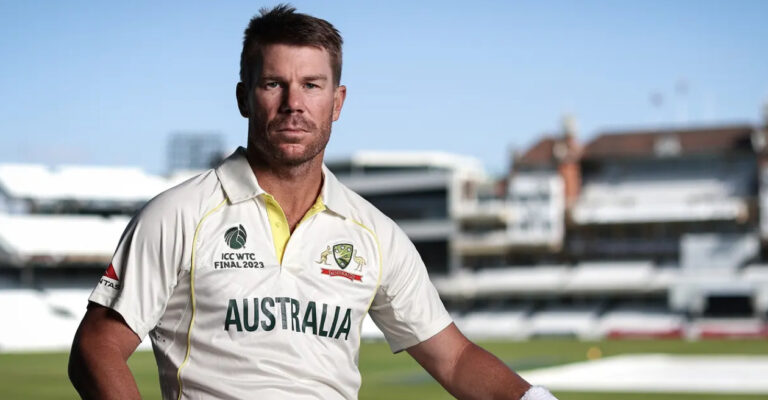
Former Australian opener David Warner has found himself in legal trouble once again, after being arrested in Sydney on drink‑driving charges that have reignited questions about how franchises manage marquee overseas players. The 39‑year‑old, now better known as a T20 globetrotter and captain of Karachi Kings in PSL 2026, was pulled over during a routine random breath‑testing operation in Maroubra, marking yet another chapter in a career that has often lived on the edge of controversy.

From Practice Run To Police Station

Warner was reportedly in Sydney on a short four‑day break from PSL commitments when New South Wales Police set up a stationary random breath‑testing checkpoint on Malabar Road, Maroubra. His van allegedly stopped short of the screening area and parked nearby, prompting officers to approach and request a test.

A roadside breathalyser returned a positive reading for alcohol, leading to his arrest and transfer to Maroubra Police Station. Subsequent testing is said to have recorded a blood alcohol concentration of 0.104, more than double the legal limit in the state. Warner has been charged with middle‑range drink‑driving and is scheduled to appear before the Downing Centre Local Court on May 7, 2026, where the severity of any penalty will be decided.

What This Means For PSL And Franchise Cricket

The incident arrives at a time when Karachi Kings are still dependent on Warner’s leadership and batting firepower in PSL 2026. While he is expected to fly back before the team’s next fixture on April 9, the arrest could force the Pakistan Cricket Board and other franchises to revisit how they handle off‑field incidents involving star imports.

Unlike routine on‑field behavior, drink‑driving sits in a grey zone: it does not directly relate to cricket, yet it carries serious reputational and legal risk for both the player and the leagues that showcase him. Boards and franchises may now face tougher choices between protecting commercial value and upholding stricter conduct standards for overseas icons.

A Recurring Script In Warner’s Career

David Warner has rarely been a “quiet” figure in cricket. From his explosive batting to high‑profile controversies like the 2018 ball‑tampering scandal, he has often occupied the same headlines for both his heroics and his missteps. This latest arrest adds another layer to that narrative, challenging fans and administrators alike to weigh individual lapses against long‑term contributions to the sport.

As the case heads toward the May 7 court hearing, the spotlight will not only be on Warner himself, but also on how modern franchise leagues respond when their biggest stars cross a line far away from the cricket field.